
From Lyophilized Vials to Dropper Bottles: The Formulation Science of GHK-Cu Scalp Serums
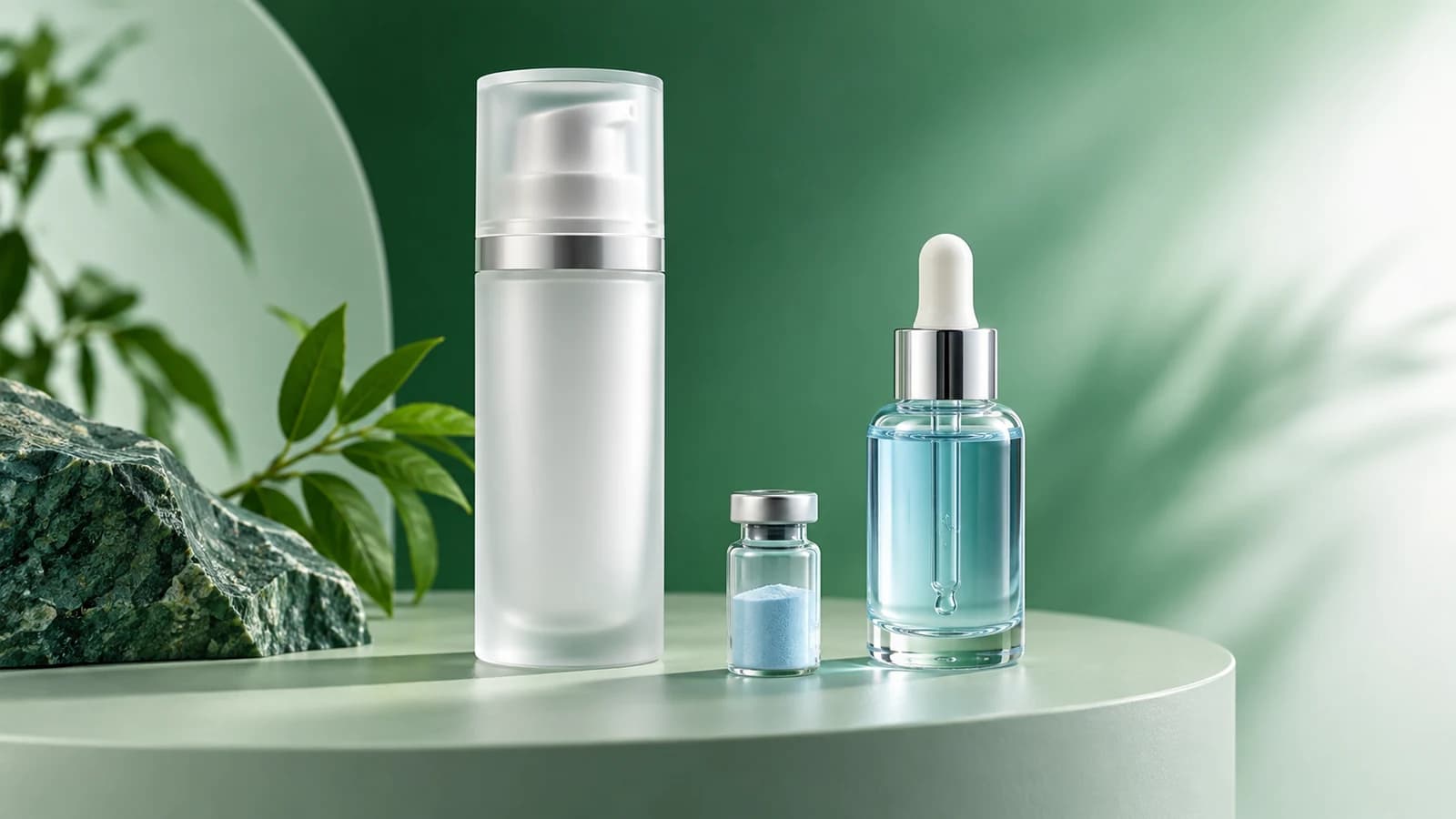
In this article
The resurgence of GHK-Cu (Copper Tripeptide-1) in hair care and tissue remodeling has sparked a formulation debate among clinics, researchers, and at-home formulators. As the delivery of GHK-Cu shifts from traditional lyophilized (freeze-dried) vials used in research to daily-use topical dropper bottles, the underlying chemistry must adapt.
At Lavipep—your Cosmetic & Tissue Remodeling Copper Peptide Specialists—we often receive questions about why mixing raw peptides with plain water fails for scalp applications. The answer lies in three critical formulation pillars: the preservative system, the delivery mechanism, and storage conditions.
1. The Preservative System: Why Bacteriostatic Water is Not Enough
One of the most common mistakes in DIY scalp serums is reconstituting lyophilized GHK-Cu with Bacteriostatic water and using it as a daily topical.
Bacteriostatic water typically contains 0.9% benzyl alcohol. This acts as a bacteriostat designed for a sealed, sterile environment (e.g., a vial punctured with a sterile needle). However, when you transfer this mixture into a dropper bottle, the environment changes drastically. A daily-use dropper is repeatedly exposed to oxygen, airborne contaminants, skin flora from fingers, and scalp sebum. In this unsealed scenario, 0.9% benzyl alcohol is insufficient. Without a robust, broad-spectrum cosmetic preservative system, the water-rich peptide solution quickly becomes a growth medium for bacteria and mold.
2. Permeation and Delivery: Crossing the Lipid Barrier
Formulating a scalp serum requires more than just dissolving powder in liquid. As noted in recent skincare formulation discussions, GHK-Cu is highly hydrophilic (water-loving) and carries a charge, whereas the human stratum corneum (the outermost layer of the scalp) is lipophilic (lipid-rich).
Simply applying a water-based GHK-Cu solution to the scalp results in poor absorption. To effectively deliver copper peptides to the hair follicles, finished serums often utilize advanced delivery systems such as liposomal encapsulation or penetration enhancers. Furthermore, the pH of the formulation must be carefully balanced—typically around pH 5.0 to 6.0—to keep the GHK-Cu stable and prevent the copper ion from dissociating from the peptide sequence.
3. Storage Conditions: Fridge vs. Room Temperature
A frequent question from buyers is: "Do GHK-Cu serums need to be refrigerated?" The answer depends entirely on the product format:
- Lyophilized Raw Peptides: Unmixed, freeze-dried GHK-Cu should be stored in a cool, dark place, and ideally refrigerated or frozen for long-term stability.
- DIY Reconstituted Peptides: If you mix raw peptides with plain water or bacteriostatic water, the solution lacks stability and must be refrigerated to slow down degradation.
- Finished Dropper Serums: Commercial multi-peptide serums are chemically stabilized and contain appropriate preservatives. They are designed for room-temperature storage. Simply keep them in a cool place, away from direct sunlight.
4. Packaging Evolution: Protecting the Peptide
Dropper bottles introduce a new set of challenges for peptide stability. Because GHK-Cu is sensitive to light and oxidation, high-quality topical serums are packaged in amber, cobalt, or opaque UV-resistant bottles. The shift from a single-use sterile vial to a multi-use dropper dictates that the formula must withstand weeks of air exposure without oxidizing or losing efficacy.
Summary: Vials vs. Dropper Bottles for GHK-Cu
Swipe or scroll to compare all columns.
| Parameter | Lyophilized Vial (Research/Raw) | Dropper Bottle Serum (Topical Finished) |
|---|---|---|
| State | Freeze-dried solid powder | Stabilized liquid solution |
| Preservative | None (sterile) or 0.9% Benzyl Alcohol | Broad-spectrum cosmetic preservatives |
| Storage | Fridge/Freezer (long-term) | Room temperature (away from UV light) |
| Delivery | Direct / Needs reconstitution | Liposomal / Encapsulated for lipid barrier |
| Exposure | Punctured via sterile needle (sealed) | Daily exposure to air, sebum, and fingers |
Source Premium Peptides with Lavipep
Whether you are a clinic owner developing a new hair restoration protocol, a cosmetic brand formulating a topical serum, or a researcher, starting with ultra-pure raw materials is non-negotiable. Lavipep rigorously tests all products to ensure maximum purity, backed by transparent Quality Control and verifiable COAs.
Explore our Tissue Remodeling & Hair Care Catalog:
- GHK-Cu: The gold standard for skin and scalp remodeling.
- AHK-Cu: A copper peptide specifically renowned for its affinity with hair follicles and scalp health.
- BPC-157 + GHK-Cu + TB-500 + KPV: An advanced multi-peptide blend for maximum tissue repair and anti-inflammatory support.
- Snap-8: For targeting dynamic expression lines in cosmetic formulations.
Partner with Us: Need bulk materials for your brand? Explore our Wholesale & Private Label options, or request Custom Peptide Synthesis tailored to your specifications.
Browse our full Catalog, request a Quote, or speak directly to our team via Sales Chat or our Contact Page.